From passion to published: DeVelvis's 'Gendering Secession' is out from Cambridge
By Aryle McCutcheon | Staff writer
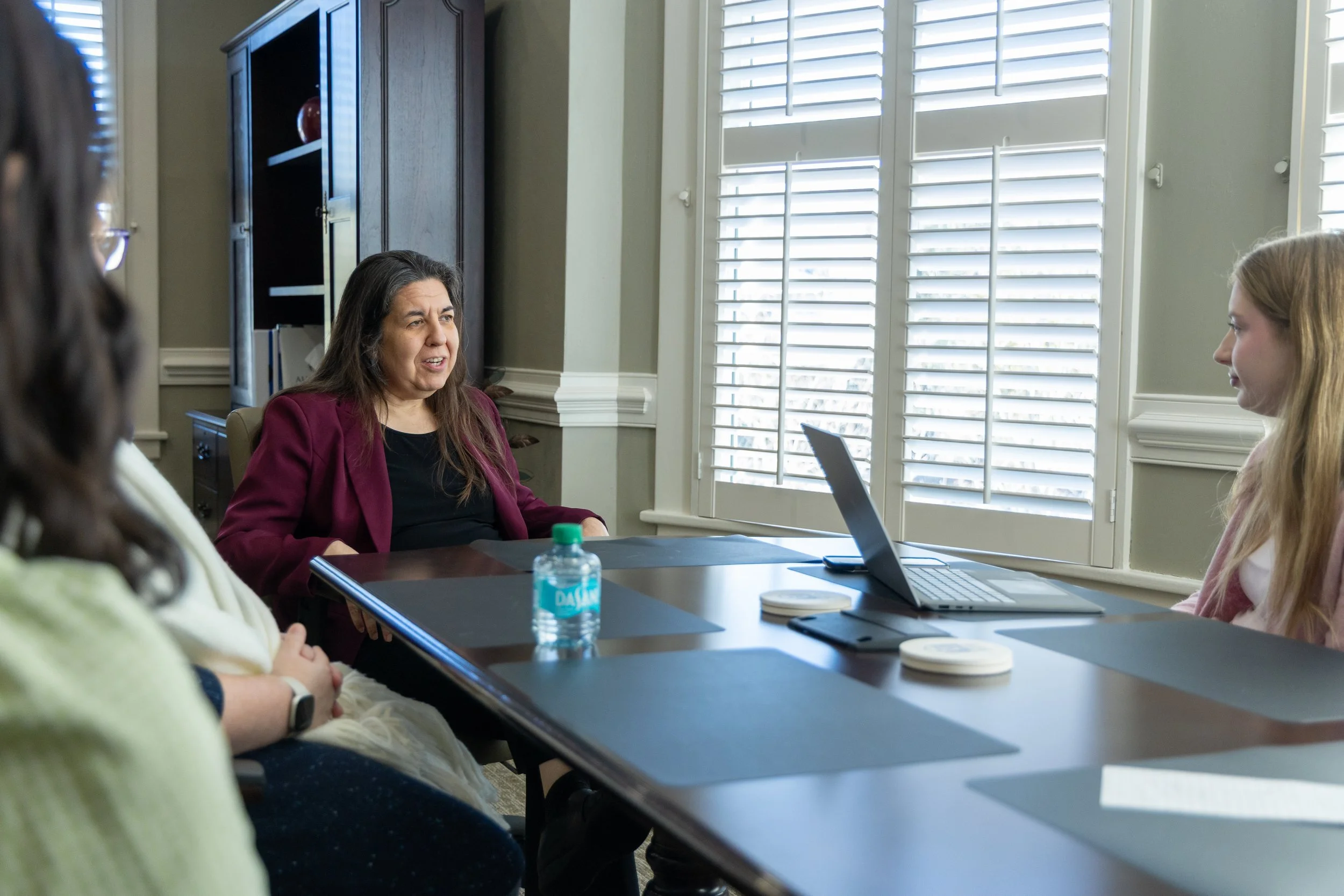
A research project that began during undergraduate study has become a published book more than a decade later for Augusta University assistant professor of history Melissa DeVelvis.
DeVelvis is the author of “Gendering Secession: White Women and Politics in South Carolina, 1859–1861,” a study of how white women engaged with politics during the years leading up to the Civil War, even as cultural expectations discouraged women from participating in public political life.
“I was lucky enough to do research in the archives my school was adjoined to,” she said. “The project has been with me since 2013.”
The AU professor received her doctoral degree in history from the University of South Carolina in 2020.
DeVelvis, who discussed “Gendering Secession” (published by Cambridge University Press) at the Book Tavern on Saturday, Feb. 7, said the book grew out of early archival work and eventually became her USC dissertation before being revised into something more readable and written for a broader audience.
“I want to reach readers beyond academia,” DeVelvis said.
Much of DeVelvis’ work relies on personal writings such as diaries and letters, which she described as some of the most revealing historical sources available.
“Diaries are always valuable,” she said. “They’re dripping in deep, dark thoughts.”
Letters also played a central role in the research, although she explained they were sometimes difficult to locate. One of her most surprising discoveries involved letters found hidden inside a wall.
Her research shows that many conservative white women, such as Camden’s Mary Chestnut, struggled to avoid politics as secession unfolded. Diaries reveal moments when women realized their lives were about to change, even though they could not fully predict what lay ahead.
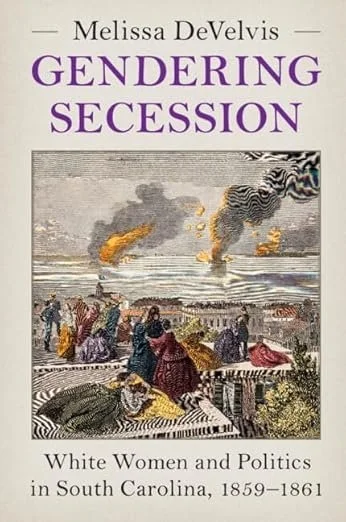
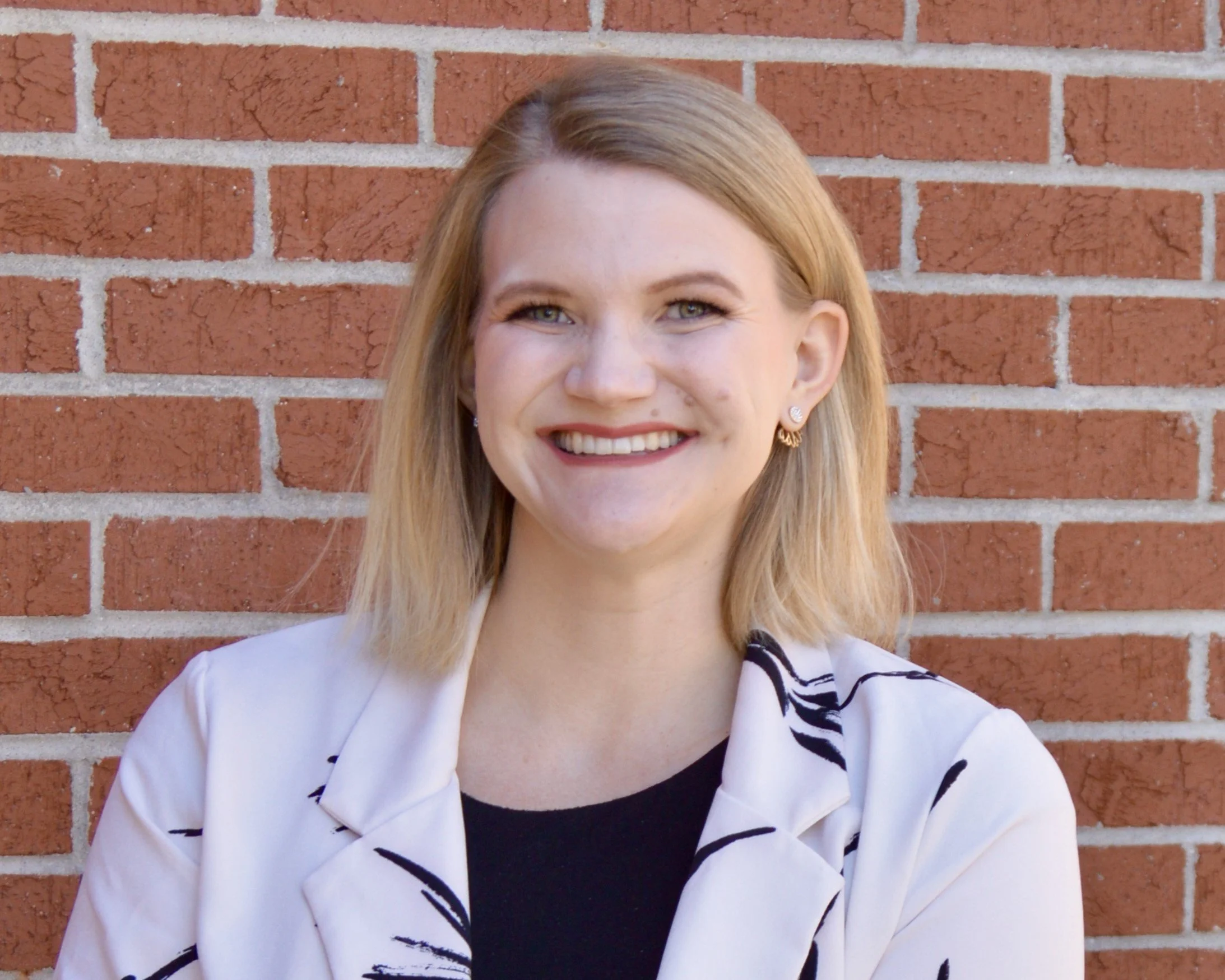
Cover to Meslissa DeVelvis’s book “Gendering Secession,” from Cambridge University Press. At the of the page, DeVelvis has her Ph.D. from South Carolina and undergraduate degree from UGa. (photo courtesy of DeVelvis)
DeVelvis argues that women were politically engaged long before gaining the right to vote, even when they resisted identifying themselves as political actors.
“A lot of the public doesn’t look at women’s politics until the vote,” she said. “But being political is so much more than voting.”
One of the most unexpected findings, DeVelvis said, was how frequently women invoked the American Revolution to justify their positions. Many referred to the “spirit of 1776” and framed themselves as “patriots defending liberty,” she said.
“They thought they were preserving the country,” she said, describing the mindset as a “conservative revolution.”
Saturday’s event at the Book Tavern included the author giving a talk about her research, followed by a book signing.
“My job is to talk about history,” DeVelvis said. “I want to reach new people; that’s what fulfills me.”
Contact Aryle McCutcheon at amccutcheon@augusta.edu.