
Are we up to standard: The invisible work of AU
Caelyn Dockal | News editor
Beyond the scenes of classrooms, student activities, study sessions, campus tours and basically everyday student life, a years-long process is running in the background keeping Augusta University alive.
This past month marked a major milestone in the university’s reaffirmation through the Southern Association of Colleges and Schools Commission on Colleges, better known as SACSCOC (pronounced sacks). This organization is responsible for ensuring that colleges meet standards of academic quality and comply with the board's regulation of schools.
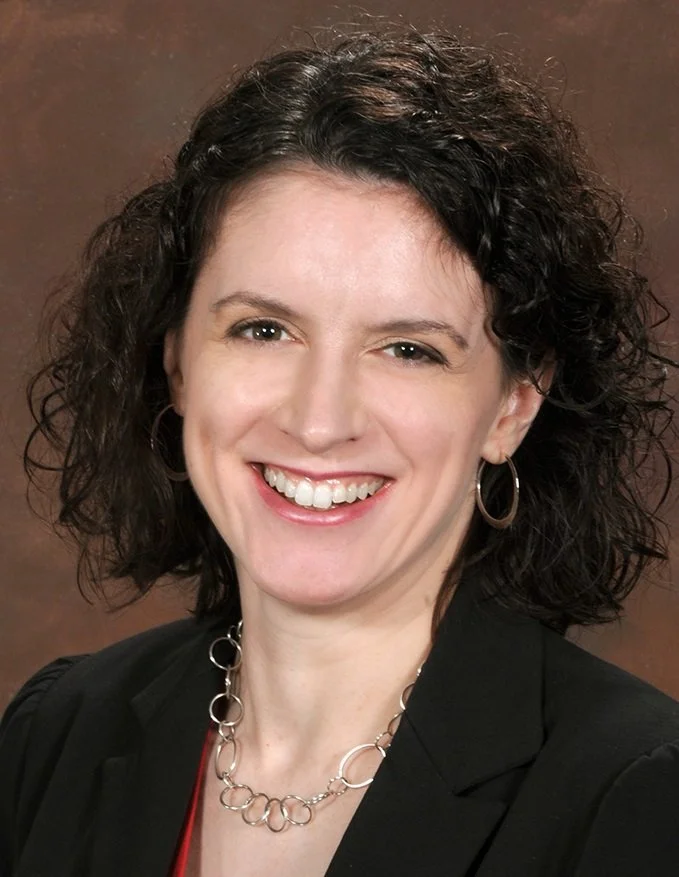
Mickey Williford
Photo Credit : Augusta University
For Mickey Williford, AU’s vice president for institutional effectiveness, accreditation isn’t just a requirement, its a reflection of what Augusta Univerisity promises its students every year.
As the institutional accreditation liaison at Augusta University, Williford has spent the past two years helping lead the university through this reaffirmation process.
“It’s really a quality process,” Williford said. “It’s about making sure institutions are adhering to agreed upon standards.”
This past month, Augusta University hosted its on-site review. This is one of the final steps before accreditation is officially reaffirmed.
Accreditation, while it is “technically” voluntary, as the government does not legally mandate that a university be accredited to operate. It plays a critical role in higher education. To give perspective, without it students would not qualify for federal aid such as Pell Grants, and degrees could lose value in the eyes of employers and graduate students.
“It’s not really optional,” Williford said. “We have to do it.”
Though at the end of the day Augusta University doesn't see this as an option, it's a necessity.
The reaffirmation process, which occurs every 10 years, is a process that takes roughly two years and involves extensive reporting, documentation and evaluation. For Auguata University, the current cycle began back in December 2023 and is expected to conclude this December 2026.
The first major step required the university to submit a compliance certification. This is a collection of more than 70 reports addressing standards ranging from faculty qualification to the financial stability and student services being provided.
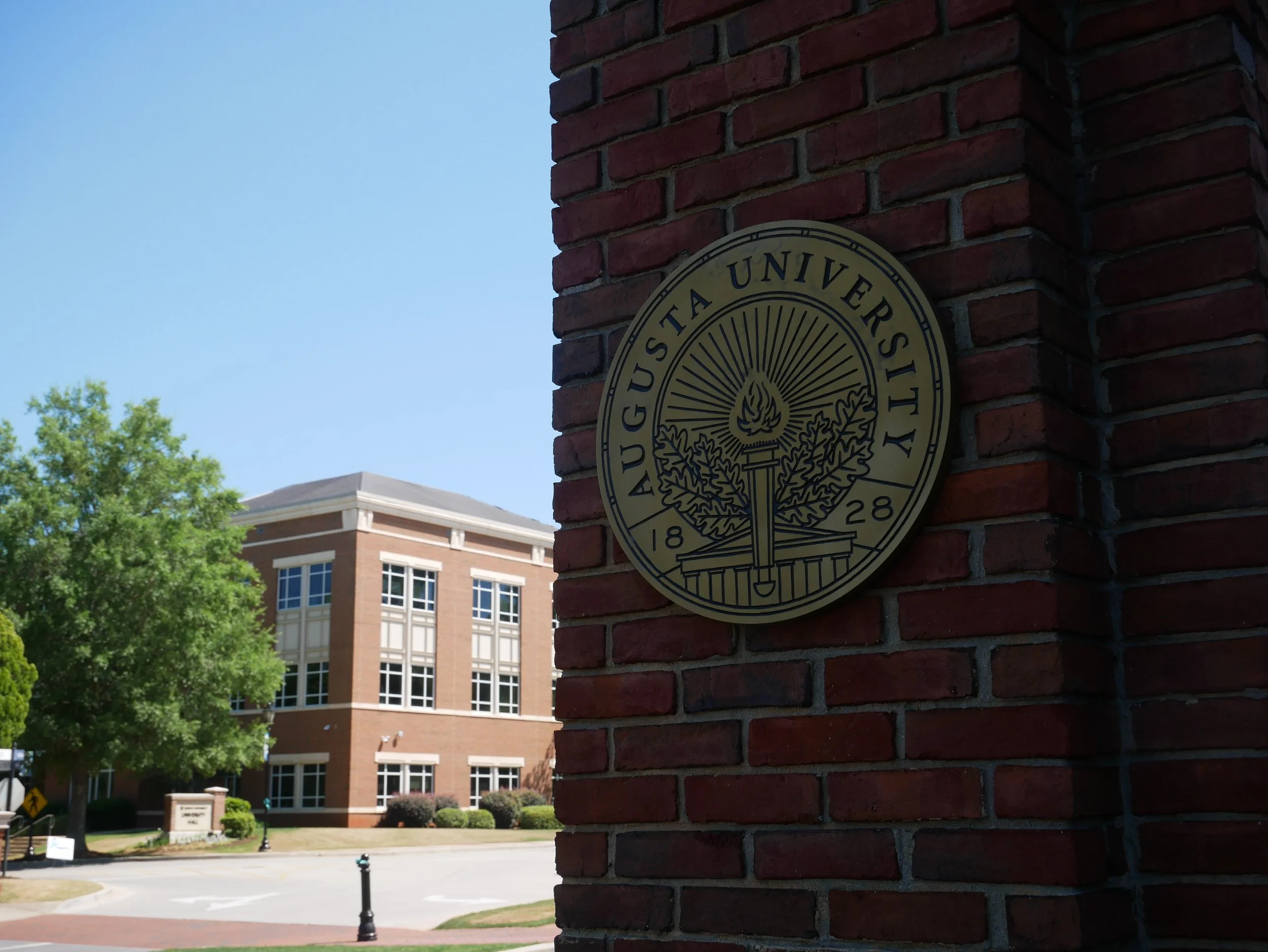
Front of Augusta University Summerville Campus
Photo Credits : Caelyn Dockal
Some reports were a few thousand words. Others stretched to tens of thousands, backed by data, policies and evidence showing that the university follows its own procedures.
“We’re not just saying we do something,” Williford said. “We have to prove it.”
After submission in August 20025, the reports were reviewed by an off-site committee made up of higher education peers. Any areas needing clarification were returned to the university, prompting a second round of focused reports earlier this year.
That work led up to last month's on-site visit. This being one of the final and probability most significant steps in the process. For the visitors to see firsthand, the university follows its procedures and provides all that they promised to its students, faculty, and staff.
The committee members spent two days interviewing faculty, staff and students, as well as seeing the campus facilities and operation to conform that was written in reports aligned with what's actually happening on-site. To make sure everything that was in those reports were true and weren't falsified.

Stack of books
Photo Credits : Caelyn Dockal
“They’re really verifying that everything we said is true,” Williford said.
The visit concluded with an exit conference, where the committee shared its preliminary findings. In accreditation terms, concerns are issued as "recommendations", showing that they found areas of noncompliance.
Augusta University received none.
“We had zero recommendations, which is really remarkable,” Williford said. “It shows that we’re not only meeting the standards, but likely going beyond the minimum.”
While receiving recommendations does not ruin the accreditation process, avoiding them eliminates the need for any additional reports and follow-ups. As well as much less paperwork for everyone involved. As you can imagine, some of these reports were 10 of thousands of words.
For Augusta University, it means the bulk of the work is done, with the final product of re-accrediation expected in late 2026.
Beyond federal funding institution reputation, accreditation services to much more. Such as campus safety and housing, nearly every aspect of the university is evaluated under SACSCOC standards. At the center of these standards is one most of all, which all universities should have and keep in place. It’s integrity.
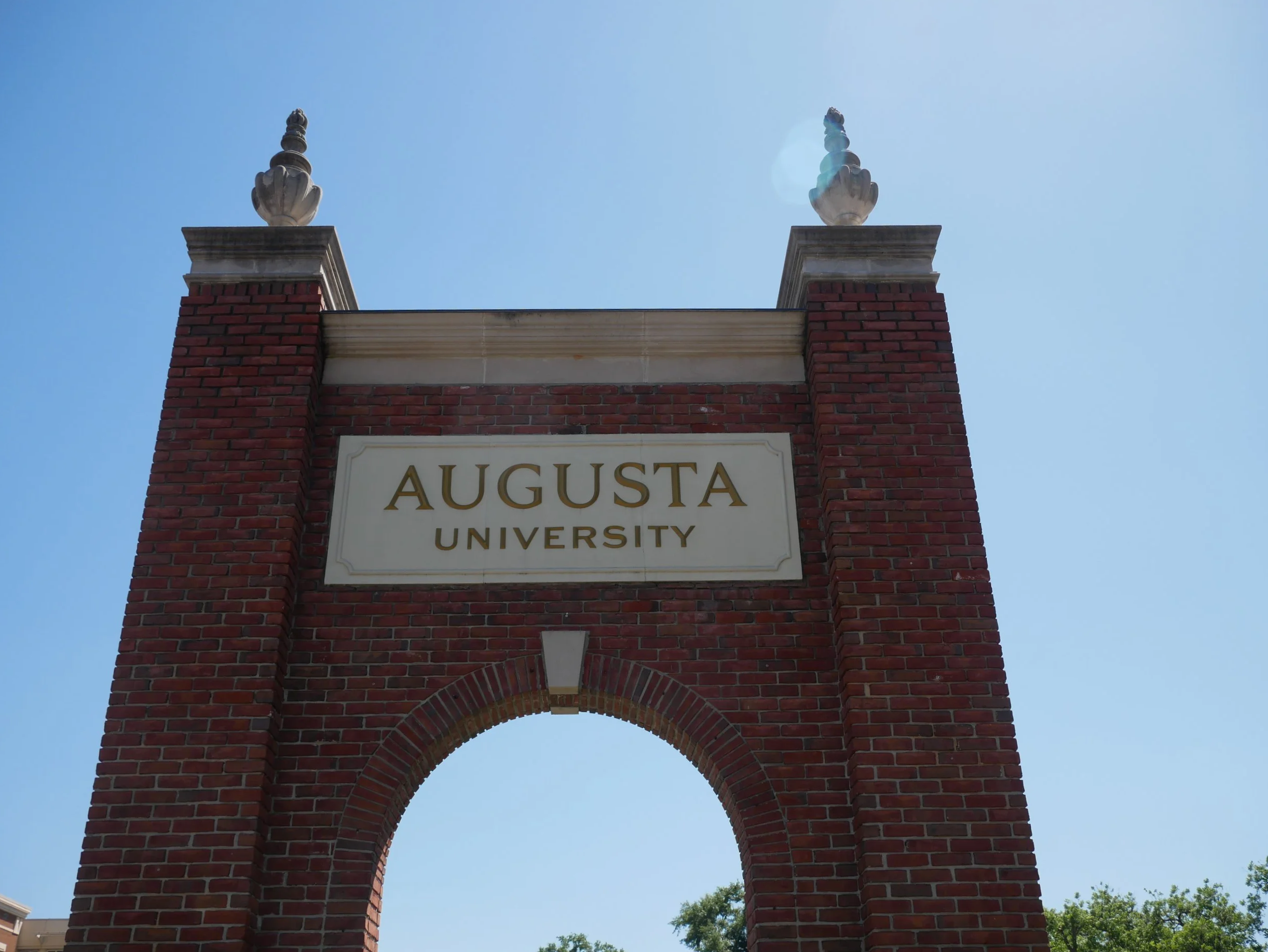
Front Arch of Augusta University
Photo Credit : Caelyn Dockal
“Accreditation is first and foremost about students,” Williford said. “ Are they getting what they expect? Are they learning? And are we helping them finish what they started?”
The process also pushes universities to make sure that they are continuously assessing themselves and improving. Programs with declining enrollment may be phased out, while new initiatives like expanding facilities or updating technology, are some of the things with these long term plans for the university. Ensuring that students have every right to succeed in the university's environment.
“These are things we should already be doing,” Williford said. “Accrdiation just gives us a framework to make sure we’re doing them well.”
For students, much of the work remains invisible. But its impact is reaching every single individual that goes to Augusta University. This invisible thing is adding value to their degrees, the quality of their education and the future direction of the institution itself.
As Augusta University moves towards its final reaffirmation, last month's results show a strong standing for the university.
“It feels really good,” Williford said. “We know we’re doing the right thing.”
Contact Caelyn Dockal at cadockal@augusta.edu.