A World Cup with plenty of controversy, and a Spanish championship
By Anna Biondolillo | Sports writer
The 2026 FIFA World Cup, won by Spain over Argentina 1-0 on Sunday, July 19, was a sporting event that captured the world's attention this summer, but in some ways the tournament was marred by a handful of crucial decisions by match referees.
Throughout the tournament, which was hosted by the United States, Mexico and Canada, there were many outstanding and heartbreaking matches. Still, some of these outcomes have been more than questionable. And with this year's World Cup viewership engaging more than 11.5 billion viewers on television and live-streaming, attention to detail was crucial.
In soccer, it’s not just about the players on the field determining a match’s outcome; it’s also about the referees.
So why did this seem to be such a big issue in this World Cup?
With this being the world’s most important international sporting event, making sure that the stage was set to be fair was more important than ever. But this year’s World Cup seemed to be … biased.
There were incidents where similar infractions occurred, but the referees made different calls. The most popular controversy of the tournament was Folarin Balogun’s red card in the United States’ match with Bosnia and Herzegovina match on July 1.
In watching the tournament in real time, we saw Balogun going for the ball at full speed when he stepped on Tarik Muharemovic’s right ankle, but when looked at in slow motion, the contact seemed much more deliberate and brutal. Using Video Assistant Referee (VAR), the officials made the call to give Balogun a red card, which sent him off from that match and meant he would have to sit out the next one.
This received immediate backlash as the referees' FIFA VAR rules only recommended looking at footage in slow-motion for the facts of a foul or call, not the intensity or probable intent. After the match ended, U.S. president Donald Trump made a call to FIFA president Gianni Infantino to have a rules committee review the footage under Article 27 of the FIFA Disciplinary Code. This resulted in the red card being removed, thus allowing Balogun to play in the next match, in the round of 16.
However, in that next match, the Americans lost 4-1 to Belgium, even with Balogun on the field. Fans outside the United States complained that Balogun was the beneficiary of politics coming into play with sports.
And as the tournament continued, controversial calls and non-calls continued apace. Another topic of debate was the officiating during the England-Mexico match that took place on July 5. It seemed that many calls were made against England that could’ve also been made against the Mexican team, as the match was very physical on both sides. England won the match 3-2, seemingly defying the many controversial referee calls.
As the tournament continued, much speculation about referees bending policies and making calls for or against certain teams grew, and there was no lack of memes on the internet poking fun at this. High-level soccer was played throughout, but in some games, it seemed, no matter the skill and effort on display on the pitch, certain teams were put into a better position to win by the referees. I easily saw this in the Egypt-Argentina match that took place on July 7 in Atlanta.
The matched ended in an improbable 3-2 comeback win by Argentina. The Argentinians scored three goals after being behind for a majority of the match, and they scored those three goals in just 14 minutes. While it was an amazing spectacle, throughout the whole game, there were instances of controversial calls and non-calls—and perhaps unfair use of VAR.
English fans were upset that no call or VAR usage happened after superstar Lionel Messi stepped on Djed Spence’s foot just before Messi made the match-winning assist in Argentina’s 2-1 semifinal win in Atlanta on July 15.
With all eyes on Argentina and Spain in Sunday’s final in New Jersey, a lot of speculation and frustration had resulted in fan-based action. Many fans speculated that the referees favored Argentina, and a fan-led movement called “Argentina Out” circulated with a petition to take the team out of the 2026 World Cup. This petition surpassed 18 million signatures and accused match officials of favoring the team from South America. While no action was taken on it, the petition still showed the degree of fan dissatisfaction over some of the results of the World Cup.
Now that the Spaniards are the world champions for the second time (they won in South Africa in 2010), it is safe to say that the best side did win the 2026 World Cup. And it is also safe to say that North American did a splendid job of hosting the event, with all of soccer’s drama and melodrama—and even some unusual, controversial decisions by the refs.
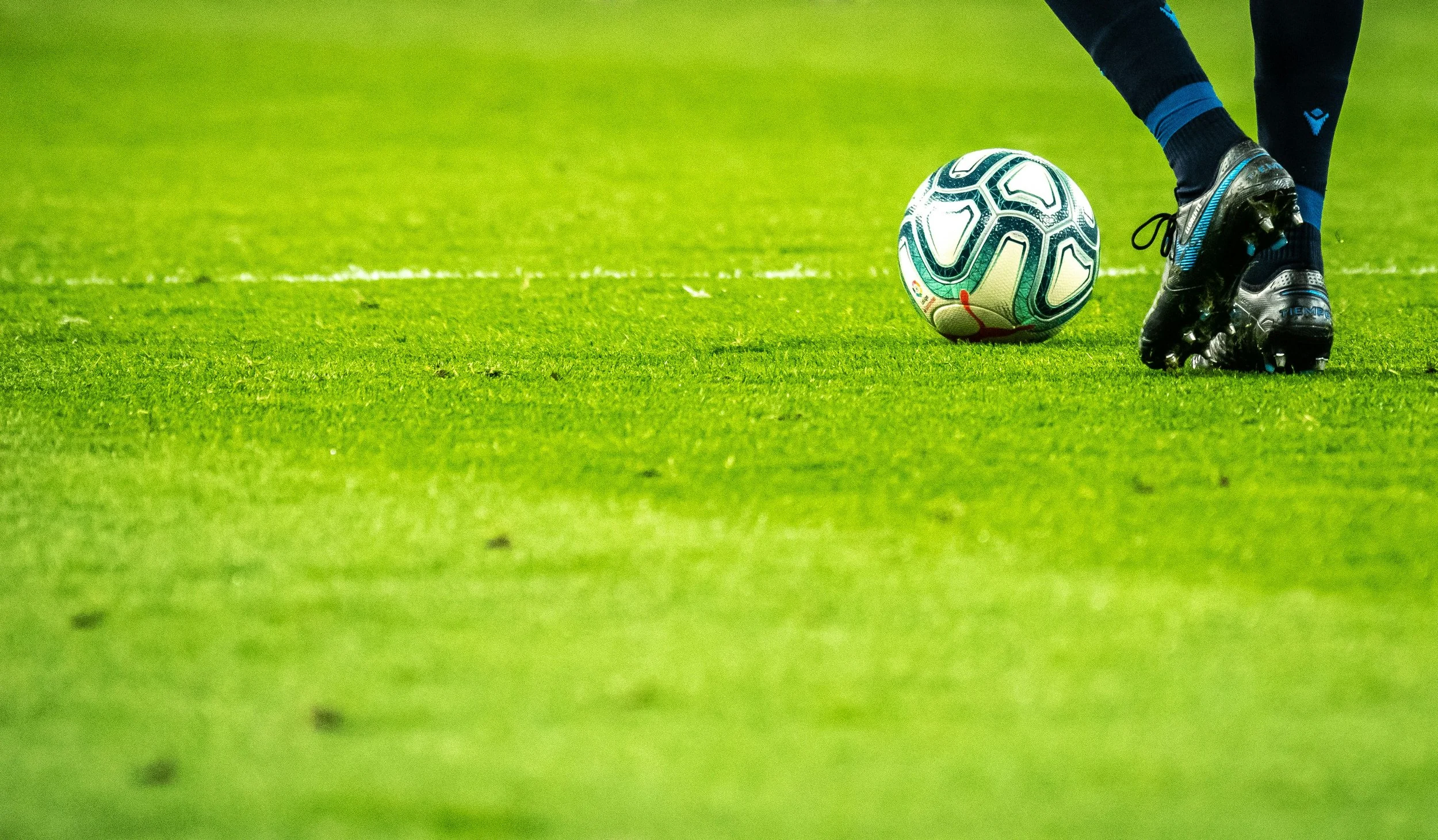
Note: Image above by Emilio Garcia for Unsplash.
Contact Anna Biondolillo at ABIONDOLILLO@augusta.edu.