Reading the fine print of college in this economy
Caelyn Dockal | News editor
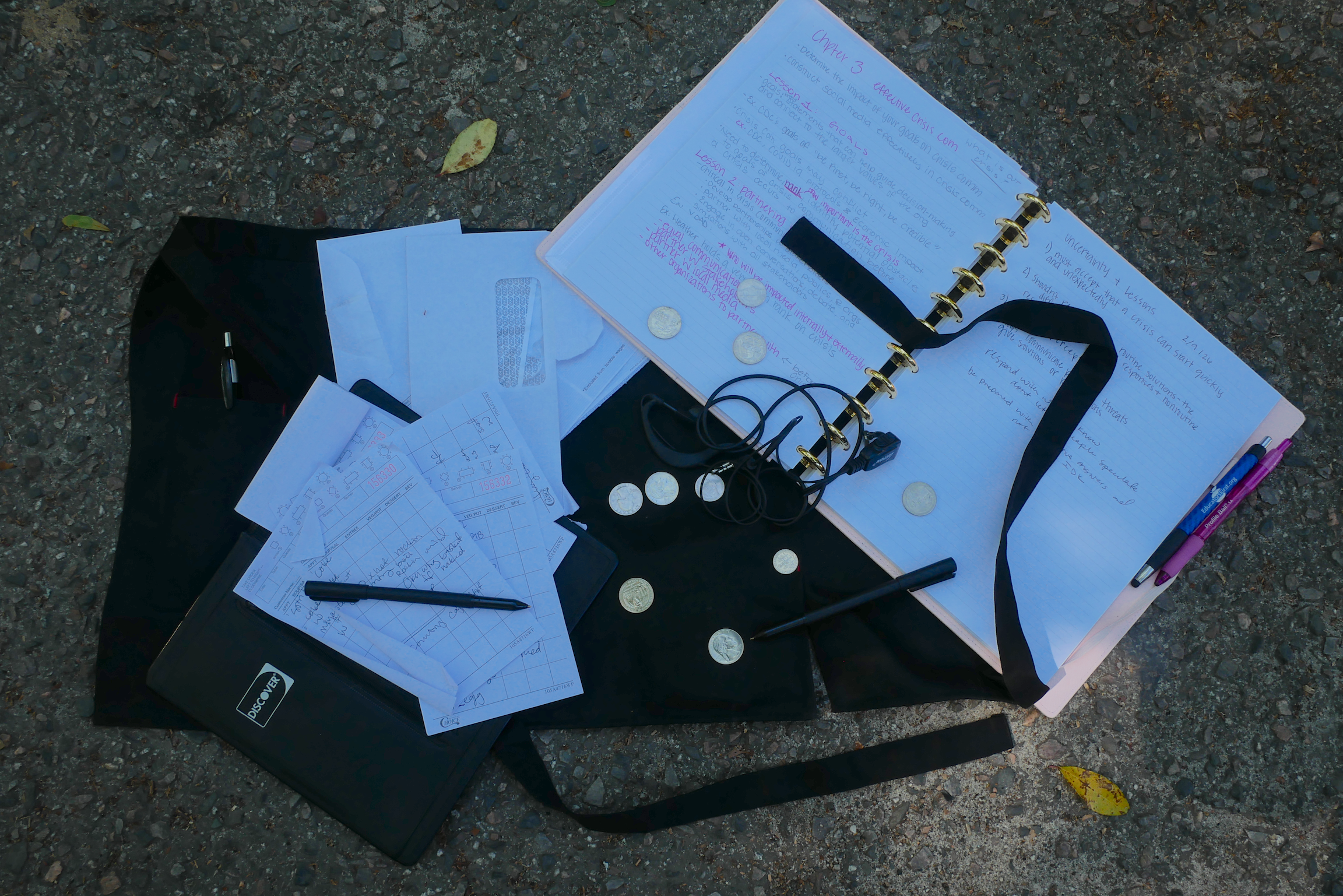
I clock out late, my feet aching from hours of running back and forth between tables, and I count my tips before I even leave the restaurant. Not because I’m curious, but because I need to know if it’s enough.
For many students, balancing school and life doesn’t feel like a challenge; it feels like working two full-time jobs at once.
I know that because I live it.
I’m a full-time college student, and I’m also a server. My days don’t end when class does. After lectures, assignments and studying, I head straight into long shifts where my income depends on how busy it is, how generous people feel and whether the kitchen is running smoothly. Some nights I leave exhausted but relieved. Other nights I leave wondering how I’m going to make rent.
Being a full-time student already requires hours most workplaces would classify as overtime. Between attending class, completing homework, working on big projects and trying to keep good grades, school alone can easily take 25-30 hours a week. Add work on top of that. This is not because I want spending money, but because I need to pay for food, housing, gas and bills.
A lot of people assume college students work for “extra money.” That hasn’t been true for a long time.
A 2025 survey found that nearly seven in 10 undergraduate students work while enrolled, many working more than 20 hours a week on top of classes. Data from the U.S. Department of Education shows that 58 percent of undergraduates worked while taking classes.
Housing, groceries, transportation and textbooks often cost more than tuition alone. According to a College Ave (https://www.collegeave.com/) survey, students spend nearly $1,400 a month just on basic living expenses. And in Augusta, that number can climb even higher. One-bedroom apartments in the area often range from $1,000 to $1,800 a month. This is before utilities, gas, groceries or any unexpected expense.
Put that together and you’re looking at close to $3,000 a month just to exist. This is just not realistic for most full-time students, especially those working service jobs that rely on tips.
When I get paid, the money doesn’t go toward “extras.” It goes straight to rent, groceries, gas, and bills. Even gas, something so basic, has become unpredictable. With prices sky-rocketing, something basic that we all need to get between places has become a finacial stress.
Where one day my car would only need $35-40 to fill it up, now that gets me to only a little bit past half a tank.
If there’s anything left over, it’s usually gone the moment something unexpected happens like a car issue, an unexpected issue, a slow week at work.
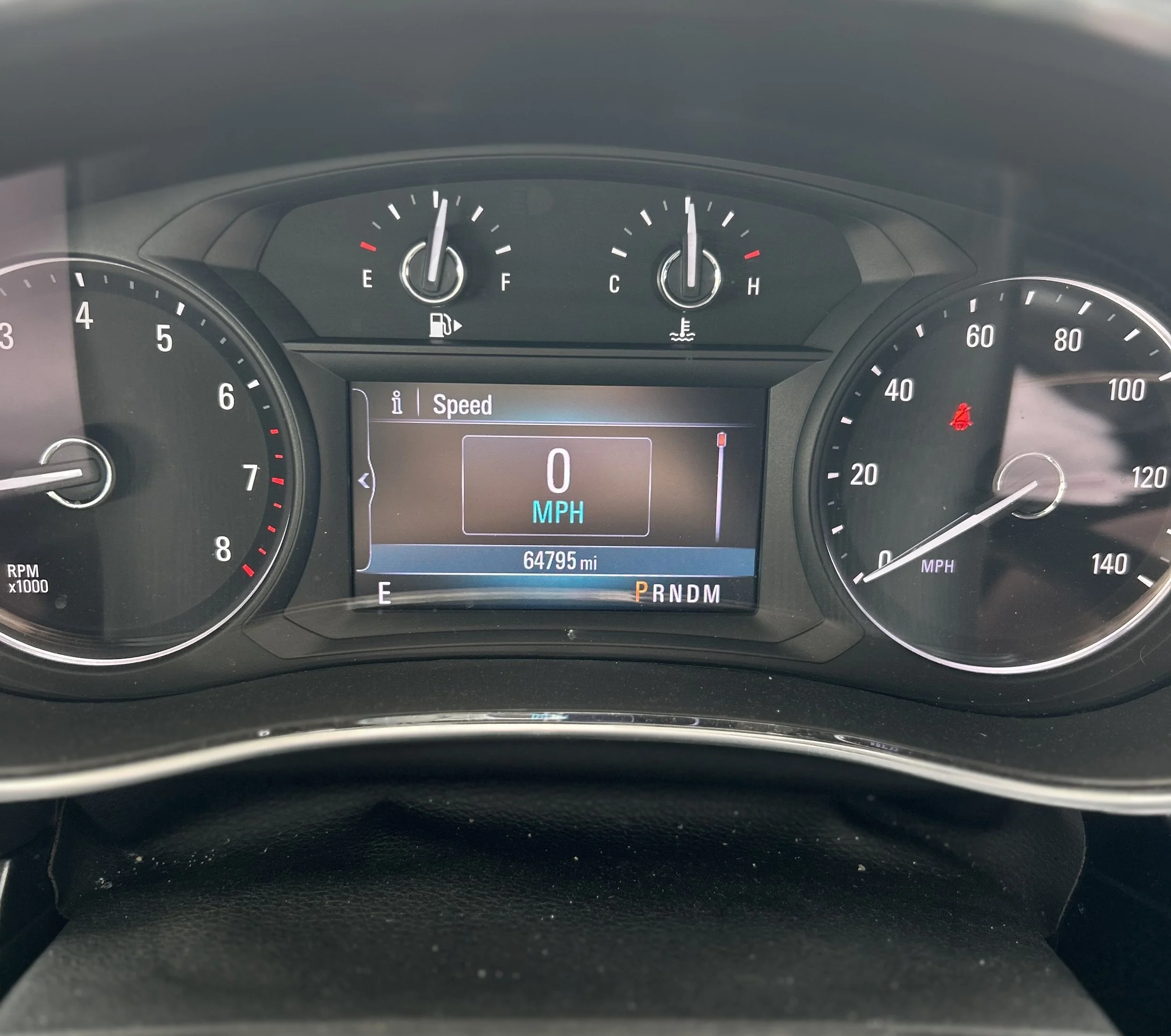
The price of gas at the pump has risen by 30 percent since the start of the U.S. war with Iran. At Costco in Augusta, which generally has among the lowest price in town for unleaded, that means about a$1 more per gallon. (photo by Caelyn Dockal/the Bell Ringer)
This economy is not made for students to live in. It’s built for us just to get by and not get ahead.
More than 60 percent of working students report living paycheck to paycheck. A separate national survey found that 68 percent of students ran out of money at least once last year, and more than half said they couldn’t handle a $500 emergency without serious difficulty.
As a server, that reality hits harder. Tips fluctuate. Schedules change. One slow week can throw everything off. There’s no safety net, just the hope that the next shift will be better.
Nearly 59 percent of students have considered dropping out due to financial stress, and more than three-quarters say money problems have affected their mental health or academic focus. That makes sense. It’s hard to concentrate on a paper when you’re doing mental math about your bank account.
College is supposed to be about growth, learning and preparation for the future. Instead, for some of us it’s a harder slope to climb.
Research shows that students who work more than 20 hours a week are more likely to experience lower grades, increased stress, and less engagement on campus. But what’s the alternative? Not working isn’t an option when bills don’t pause for midterms.
We’re told college is an investment. But investments usually don’t require this level of constant exhaustion just to stay afloat.
There’s a difference between living modestly and barely surviving. Most students I know aren’t asking for luxury. We’re asking for the ability to enjoy life beyond bills, to grab coffee without guilt, to rest without anxiety, to exist without constantly calculating whether we can afford to.
College should prepare us for the future. Instead, many of us are learning how to live paycheck to paycheck before we even graduate.
Now this is not to say college is the problem at all. This is a reflection on the economy and the choices some students have to make in order to get the education they need to secure a job.
I’ll keep going to class. I’ll keep working my shifts. I’ll keep doing what I have to do. But we shouldn’t normalize this as “just part of the college experience.”
Because this isn’t living.
It’s just getting by.
Note: At the top of the page, the author tries to keep it altogether in stressful times with class notes, bills and loose change. (photo image by Caelyn Dockal/the Bell Ringer)
Contact Caelyn Dockal cadockal@augusta.edu.